
Blog
Rudraksha Mala 108 Beads: How to Begin a Japa Practice

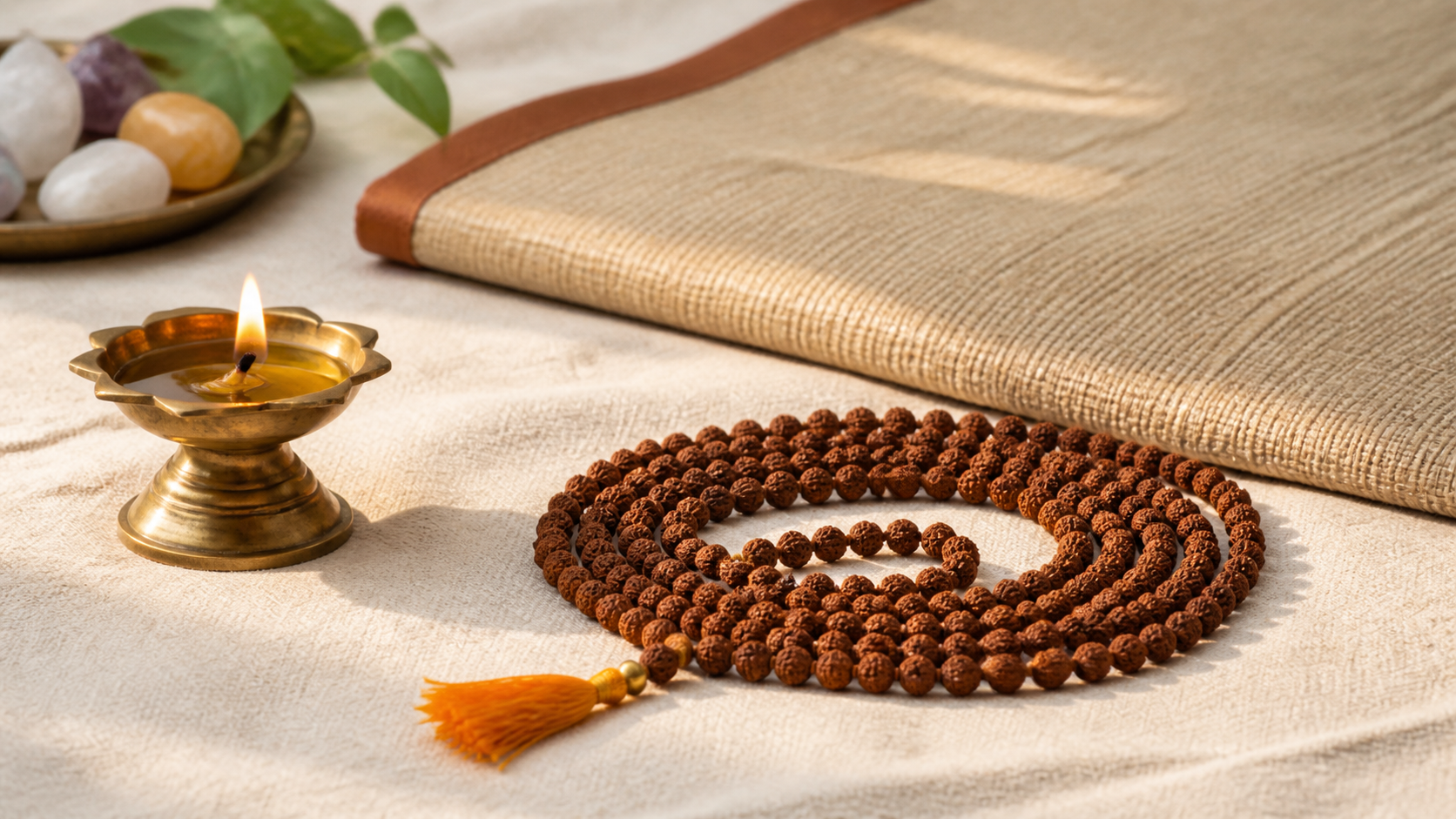
A Rudraksha Mala with 108 beads is a traditional spiritual tool used for mantra chanting, meditation and prayer. For many practitioners, the mala is not just an accessory; it becomes a companion for discipline. Each bead helps count one repetition of a mantra, allowing the mind to stay focused without constantly thinking about numbers.
The Original Rudraksha Mala – 108 Beads is suitable for people who want to begin a simple japa practice at home. You do not need to be an expert to start. What matters most is respect, regularity and a peaceful intention behind the practice.
Why 108 Beads Are Used
The number 108 has deep importance in many Indian spiritual traditions. It appears in yoga, mantra practices, temple rituals and meditation systems. A 108-bead mala allows the practitioner to complete one full round of mantra japa in a structured way. Many malas also include a larger guru bead, which marks the starting and ending point.
When you reach the guru bead, you generally do not cross over it. Instead, if you want another round, turn the mala around and continue in the opposite direction. This small discipline teaches attention and respect for the practice.
How to Begin Japa with a Mala
Choose a quiet place where you can sit comfortably. Hold the mala in your right hand or according to your family tradition. Move one bead after each mantra repetition. Many practitioners use the thumb and middle finger, avoiding the index finger because it is traditionally associated with ego. If you have a guru or family custom, follow that guidance.
Start with a manageable goal. One full round may feel long for beginners, so you can begin with a smaller daily practice and slowly increase. A peaceful five-minute routine done consistently is better than an intense routine that stops after two days.
Choosing a Mantra
Some people chant “Om Namah Shivaya,” “Om Namo Bhagavate Vasudevaya,” Gayatri Mantra or a mantra given by their guru. The right mantra depends on your tradition and comfort. If you are unsure, begin with a simple universal mantra and learn slowly from a knowledgeable teacher.
Pronunciation matters, but sincerity matters too. Try to chant clearly, at a steady pace and with awareness. Avoid rushing just to complete the count. The mala is there to support concentration, not to turn prayer into a race.
Care for Rudraksha Mala
Keep your mala in a clean pouch or puja space. Avoid wearing it during bathing, swimming or activities where it may be exposed to chemicals. Natural Rudraksha beads can vary in size, texture and appearance, so slight differences are normal.
Many people reserve one mala only for japa and do not use it casually. This helps maintain a sense of sacredness. If you gift a Rudraksha Mala, include basic care guidance so the receiver understands how to respect it.
When to Replace or Repair a Mala
With regular use, the thread of a Rudraksha Mala may loosen over time. If you notice weak knots, stretched thread or beads rubbing too much, get the mala restrung before it breaks. Repairing it early is better than losing beads during travel or prayer.
Do not panic if a mala breaks. In many homes it is treated respectfully, the beads are collected, cleaned and restrung. If you follow a family tradition, ask an elder or priest how they prefer to handle it.
Travel and Daily Use Tip
If you carry your mala outside, keep it in a separate cotton pouch instead of mixing it with keys, coins or cosmetics. This protects the beads and also keeps the mala feeling respectful for prayer. A small daily habit like this preserves both the physical item and its spiritual importance.
Important note: Rudraksha use is based on traditional spiritual beliefs. It is not a substitute for medical, legal or financial advice. Follow your own tradition and discretion.